


The Power of Graphic Design Crafting Visual Communication
G Graphic design is a powerful tool that goes beyond mere aesthetics; it’s the art and practice of planning and projecting ideas and experiences with visual and textual content. In today’s digital age, where first impressions are crucial, graphic design plays a vital role in how brands communicate with their audience, tell their stories, and stand out in a crowded market.
At its core, graphic design is about solving problems through visual communication. It involves creating layouts, selecting colors, choosing images, and arranging text to convey a message effectively. A well-designed graphic can capture attention, evoke emotions, and persuade people to take action, whether it’s making a purchase, signing up for a service, or simply becoming more aware of a brand.
Staying updated with the latest trends, such as minimalist design, bold typography, and responsive design, is essential for designers to keep their work relevant and impactful.
The scope of graphic design is vast, covering areas such as branding, marketing materials, web design, social media graphics, packaging, and more. Each of these areas requires a unique approach, yet all share the same goal: to communicate clearly and engage the audience. For instance, a brand logo needs to be simple and memorable, while a website design must be user-friendly and visually appealing to encourage interaction.
One of the key elements of graphic design is the use of color. Colors can set the mood, attract attention, and convey messages. Designers carefully select colors that align with the brand’s identity and resonate with the target audience. Typography is another critical aspect, as the choice of fonts can significantly impact readability and the overall tone of the message.
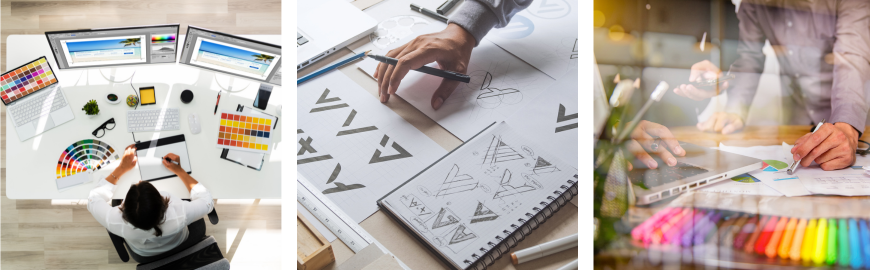
Imagery and icons also play a crucial role in graphic design. They can illustrate concepts, provide visual interest, and break up text to make content more digestible. In the era of digital media, infographics have become a popular way to present data and information in an engaging and easy-to-understand format.
Graphic design is an ever-evolving field, with trends and technologies constantly changing. Staying updated with the latest trends, such as minimalist design, bold typography, and responsive design, is essential for designers to keep their work relevant and impactful. Moreover, with the rise of digital platforms, understanding how to design for various devices and screen sizes is crucial.
In conclusion, graphic design is not just about making things look good; it’s about creating effective visual communication. It’s about telling a story, engaging an audience, and building a brand’s identity. By leveraging the power of graphic design, businesses can enhance their visibility, strengthen their brand, and connect more deeply with their customers.
